More Than Tea. It's Malabar in a Glass
More Than Tea. It's Malabar in a Glass
Oru Chaya Kadha
Oru Chaya Kadha
Oru Chaya Kadha


More Than Tea. It's Malabar in a Glass
Oru Chaya
Kadha

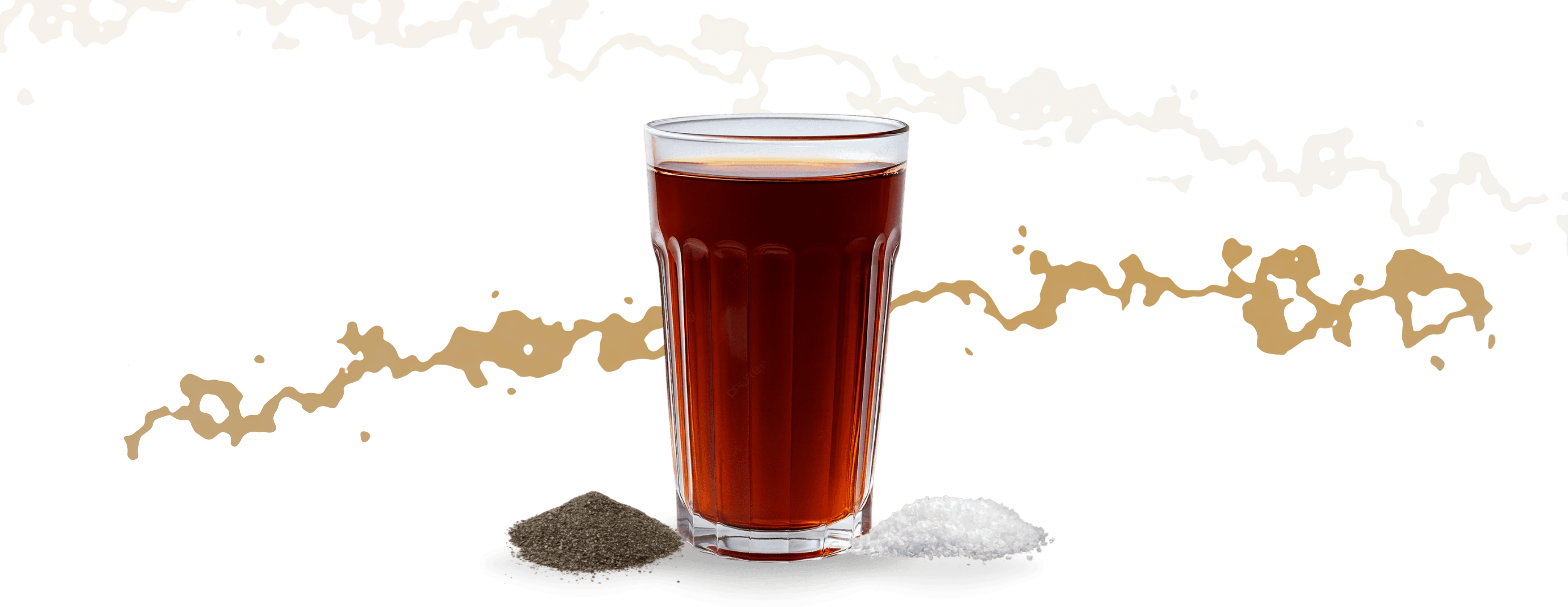

Sulaimani
Sulaimani



Sulaimani
Sulaimani
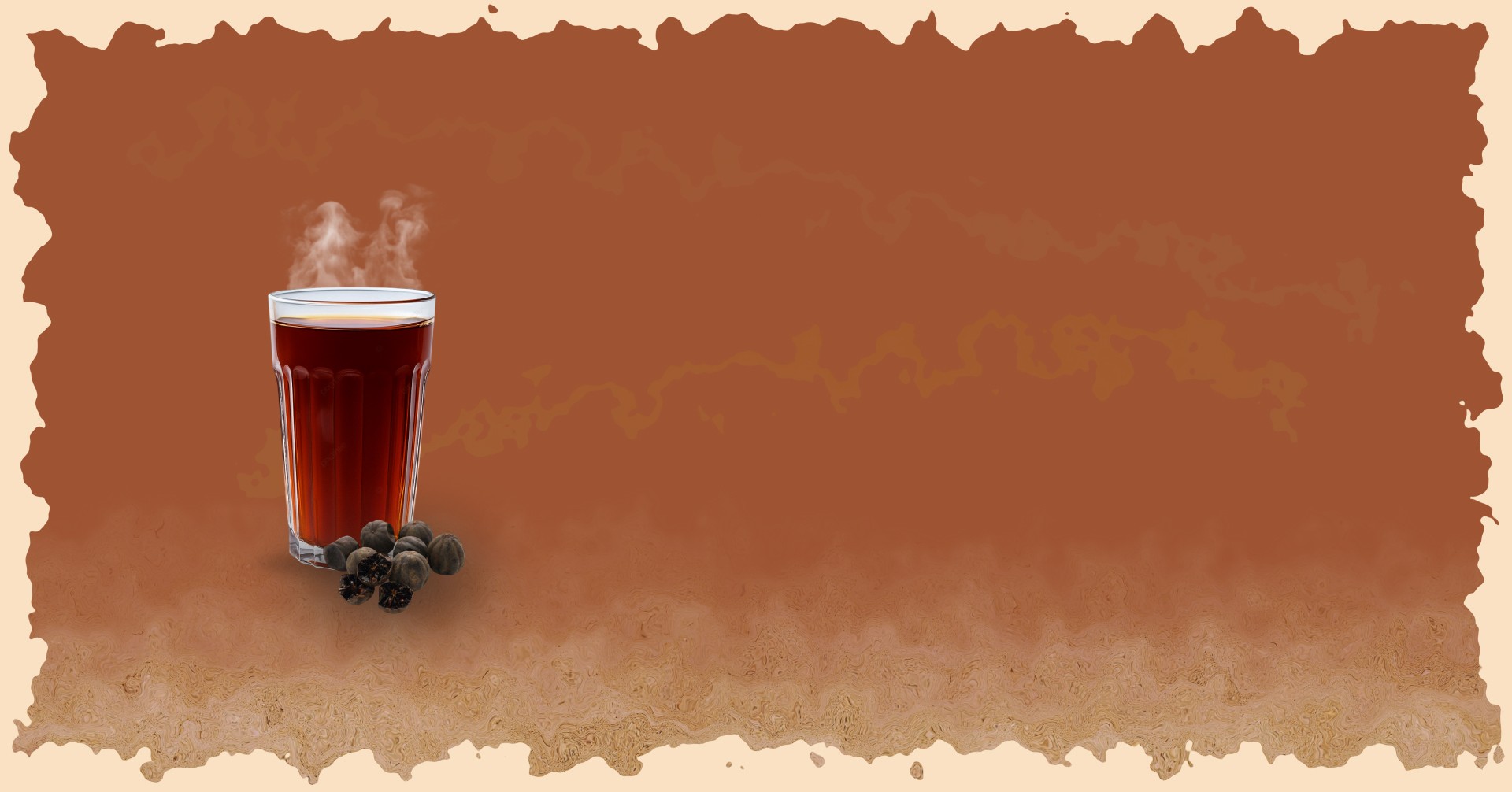
Born In The Arabian Sands, Raised in Malabar’s Kitchens
Born In The Arabian Sands, Raised in Malabar’s Kitchens
Born In The Arabian Sands, Raised in Malabar’s Kitchens
Born In The Arabian
Sands, Raised in
Malabar’s Kitchens
Born In The Arabian
Sands, Raised in
Malabar’s Kitchens
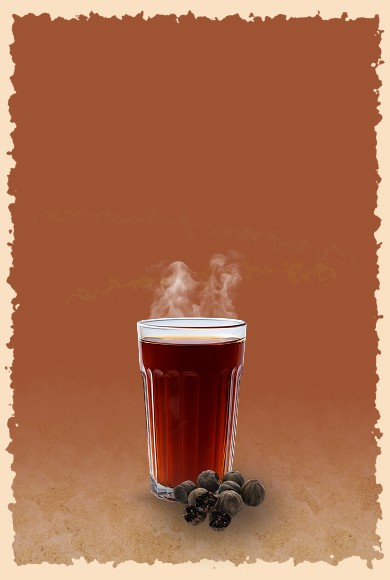
Born In The Arabian Sands, Raised in Malabar’s Kitchens
Born In The Arabian
Sands, Raised in
Malabar’s Kitchens

The word "Sulaimani" likely comes from Arabic or Persian roots — some say it was named after Suleiman the Magnificent, an Ottoman Sultan.
The word "Sulaimani" likely comes from Arabic or Persian roots — some say it was named after Suleiman the Magnificent, an Ottoman Sultan.
The word "Sulaimani" likely comes from Arabic or Persian roots — some say it was named after Suleiman the Magnificent, an Ottoman Sultan.
The Arab traders who visited the Malabar Coast centuries ago brought with them tea-drinking habits, including the idea of drinking spiced black tea without milk.
The Arab traders who visited the Malabar Coast centuries ago brought with them tea-drinking habits, including the idea of drinking spiced black tea without milk.
The Arab traders who visited the Malabar Coast centuries ago brought with them tea-drinking habits, including the idea of drinking spiced black tea without milk.
Adoption In Malabar
Adoption In Malabar
Adoption In Malabar
The Muslim communities of Malabar adopted this style of tea and made it their own, evolving it into what is now known locally as "Sulaimani".
The Muslim communities of Malabar adopted this style of tea and made it their own, evolving it into what is now known locally as "Sulaimani".
The Muslim communities of Malabar adopted this style of tea and made it their own, evolving it into what is now known locally as "Sulaimani".
Over time, it became a staple in North Kerala, especially after heavy meals like biryani, and during Ramadan.
Over time, it became a staple in North Kerala, especially after heavy meals like biryani, and during Ramadan.
Over time, it became a staple in North Kerala, especially after heavy meals like biryani, and during Ramadan.
Adoption to Malabar
The Muslim communities of Malabar adopted this style of tea and made it their own, evolving it into what is now known locally as "Sulaimani".
Over time, it became a staple in North Kerala, especially after heavy meals like biryani, and during Ramadan.
The word "Sulaimani" likely comes from Arabic or Persian roots — some say it was named after Suleiman the Magnificent, an Ottoman Sultan.
The Arab traders who visited the Malabar Coast centuries ago brought with them tea-drinking habits, including the idea of drinking spiced black tea without milk.

The word "Sulaimani" likely comes from Arabic or Persian roots — some say it was named after Suleiman the Magnificent, an Ottoman Sultan.
The Arab traders who visited the Malabar Coast centuries ago brought with them tea-drinking habits, including the idea of drinking spiced black tea without milk.
Adoption In Malabar
The Muslim communities of Malabar adopted this style of tea and made it their own, evolving it into what is now known locally as "Sulaimani".
Over time, it became a staple in North Kerala, especially after heavy meals like biryani, and during Ramadan.
Adoption to Malabar
The Muslim communities of Malabar adopted this style of tea and made it their own, evolving it into what is now known locally as "Sulaimani".
Over time, it became a staple in North Kerala, especially after heavy meals like biryani, and during Ramadan.
The word "Sulaimani" likely comes from Arabic or Persian roots — some say it was named after Suleiman the Magnificent, an Ottoman Sultan.
The Arab traders who visited the Malabar Coast centuries ago brought with them tea-drinking habits, including the idea of drinking spiced black tea without milk.

The Legendary path of spices
The Legendary path of spices
The Legendary path of spices
The Legendary path of spices
The Legendary Path of spices

The Legendary path of spices
The Legendary path of spices
The Legendary Path of spices


The king
The king
The king
The king

The king
Exclusive Combos
Pazham Pori
Pazham Pori is a sweet, crispy Kerala snack made from fried ripe bananas.



Exclusive Combos
Pazham Pori
Pazham Pori is a sweet, crispy Kerala snack made from fried ripe bananas.
Exclusive Combos
Pazham Pori
Pazham Pori is a sweet, crispy Kerala snack made from fried ripe bananas.
Exclusive Combos
Pazham Pori
Pazham Pori is a sweet, crispy Kerala snack made from fried ripe bananas.
© Oru chaya kadha . All rights reserved

Privacy Policy
Terms & Conditions
© Oru chaya kadha . All rights reserved
Privacy Policy
Terms & Conditions
© Oru chaya kadha . All rights reserved
Privacy Policy
Terms & Conditions
© Oru chaya kadha . All rights reserved
Privacy Policy
Terms & Conditions
© Oru chaya kadha . All rights reserved
Privacy Policy
Terms & Conditions